

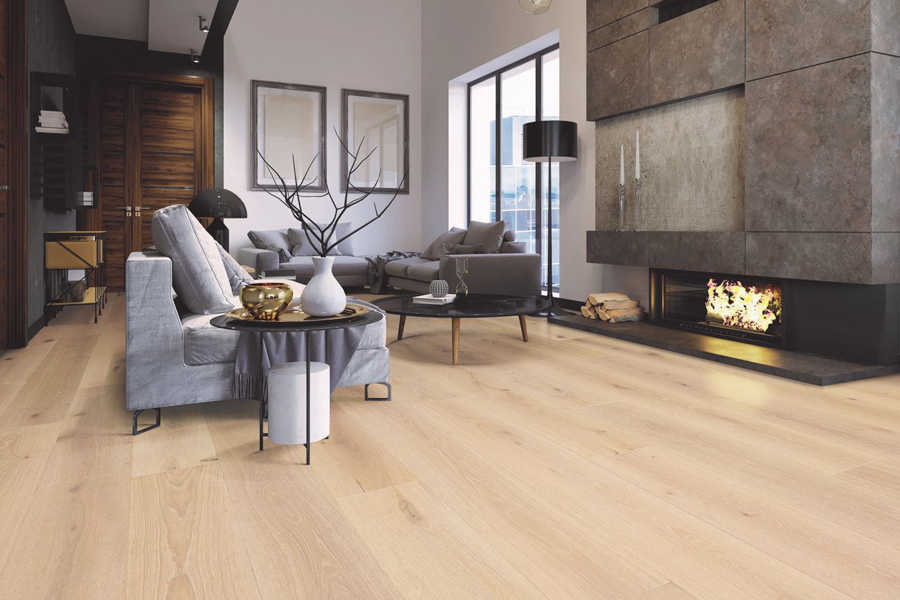
Choosing hardwood often starts with color, but species has just as much to do with how a floor will look, wear, and age. Grain pattern, hardness, and natural variation all shape the final result. For homeowners in Stamford who want something that still feels right ten years from now, understanding those differences makes the selection process much easier.
Why species matters more than many shoppers expect
Two hardwood floors can share a similar stain color and still feel completely different once installed. Oak usually shows a familiar, balanced grain that works in both traditional and updated interiors, while hickory brings stronger movement and more dramatic contrast. Maple tends to read cleaner and quieter, which appeals to homeowners who want a more tailored look.
That visual character should be matched to how the room is used. Busy households often benefit from species with stronger natural durability and finishes designed for daily wear, which is why many people begin by comparing engineered hardwood options with solid hardwood floors. Construction affects performance, but species determines much of the personality underfoot.
Oak remains popular for good reason
Oak has earned its place because it is versatile without feeling bland. In particular, white oak hardwood offers a refined grain and a color range that works beautifully in lighter, more contemporary spaces. It also takes stain well, which gives homeowners flexibility if they want a natural finish now but a different look later.
Red oak flooring has a warmer cast and more visible grain, so it often feels a touch more classic. That makes it a smart fit for older homes in Greenwich where original trim, millwork, and architecture already set the tone. If the goal is a floor that feels familiar, forgiving, and adaptable, oak is usually the benchmark everything else gets measured against.
Hickory and maple create very different looks
Hickory is the choice for people who want a floor with presence. Its bold variation, mineral streaks, and harder-wearing reputation make it especially appealing in active homes where subtle movement would disappear. A well-chosen hickory hardwood floor can anchor a large room and give it more depth without relying on a dark stain.
Maple moves in the opposite direction. Its smoother, more uniform appearance creates a cleaner visual field, which can help kitchens, hallways, and open layouts feel calmer. In homes around Fairfield County where natural light changes throughout the day, maple hardwood flooring often looks crisp in the morning and warm by evening, making it a strong option for understated interiors.
Other species and surface styles are worth a look
Not every project calls for the familiar choices. Walnut delivers a richer, deeper tone, while birch and cherry can soften a room in different ways. Even within the same species, surface treatment changes the mood considerably. A wire-brushed hardwood texture can make everyday dust and small scratches less obvious, while wide-plank hardwood styles emphasize openness and show off natural grain more clearly.
That is one reason Floor Covering Warehouse encourages shoppers to compare boards in person instead of relying on small online swatches alone. Since 1934, the company has helped homeowners sort through these practical differences, not just the cosmetic ones. Over that time, one lesson has stayed consistent: the best floor is the one that fits the house, the traffic, and the way the room actually lives.
Species choice should feel less overwhelming once you know what each wood brings to the room. If you want help narrowing the options, schedule an in-home flooring consultation with Floor Covering Warehouse and compare samples where your lighting and furnishings tell the real story.


