

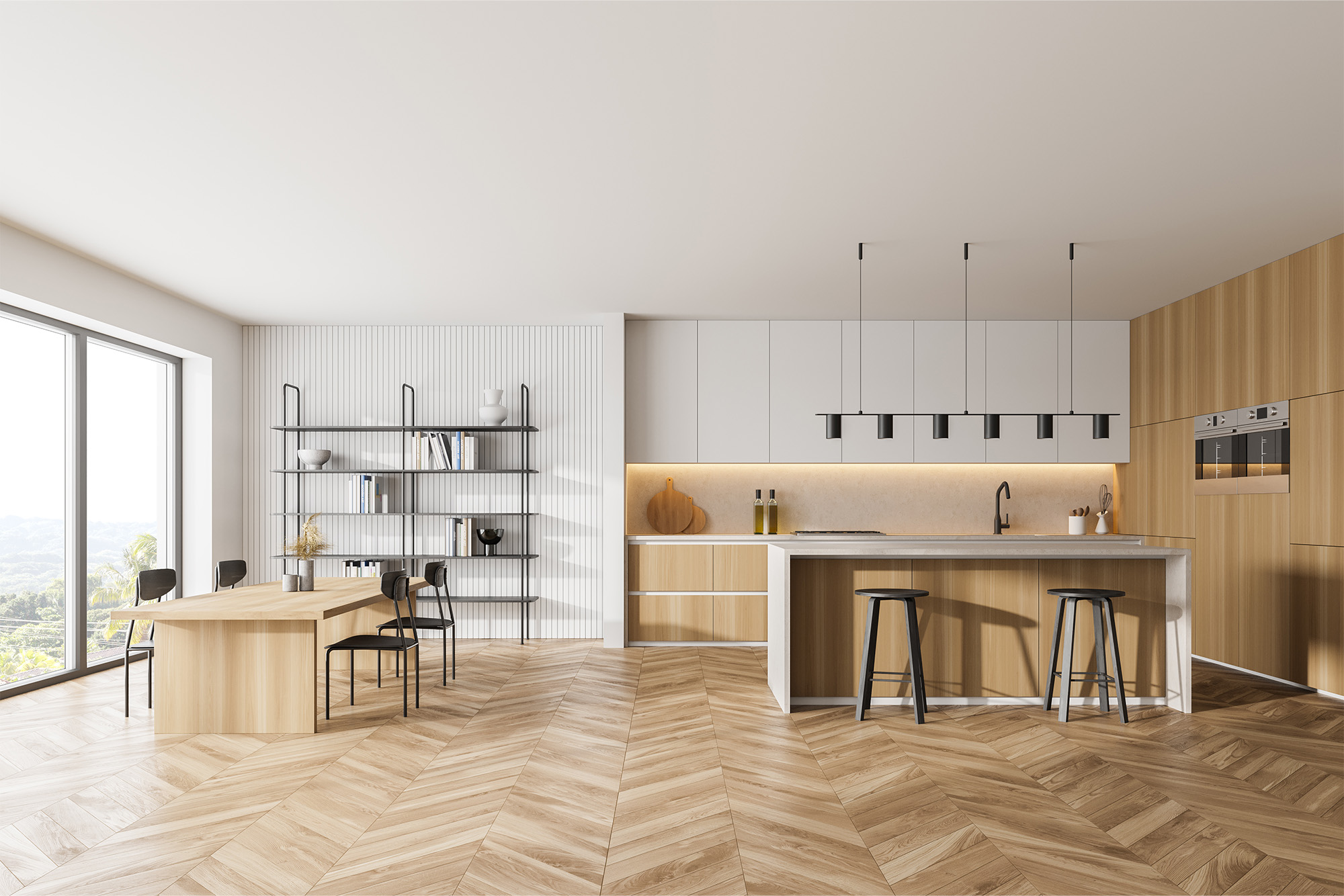
When homeowners start thinking about resale, flooring quickly moves from a design decision to a financial one. Buyers notice what is underfoot almost immediately, and they tend to read worn surfaces, mismatched materials, or obvious shortcuts as signs of deferred maintenance. In markets like Fairfield and Westport, that first impression carries real weight because buyers often expect finishes that feel durable, current, and appropriate to the price of the home.
Hardwood still sets the standard
For many buyers, hardwood remains the benchmark because it signals permanence and quality. Clean lines, natural variation, and a consistent installation can make rooms feel larger and more finished, especially when sellers choose timeless species and understated color palettes instead of chasing short-lived trends.
That does not mean every wood floor delivers the same return. Buyers usually respond best to surfaces that look authentic and age gracefully, which is why white oak hardwood options and engineered hardwood collections often make sense for resale-minded renovations. Engineered construction can be especially practical in homes where seasonal humidity shifts create movement concerns, while white oak tends to appeal to shoppers who want a classic look without the red undertones that can date a room.
Buyers want performance, not just appearance
A beautiful floor helps, but buyers also think about upkeep the moment they imagine moving in. They notice whether an entry feels vulnerable to wet shoes, whether a kitchen surface seems likely to scratch, and whether lower-level spaces look like they were finished with the region’s moisture swings in mind. In Southern New England, that practical lens matters because snow, salt, and humidity can wear down the wrong material faster than many sellers expect.
That is where luxury vinyl can protect value in the right rooms. Waterproof luxury vinyl flooring gives buyers confidence in kitchens, mudrooms, and finished lower levels, while rigid-core luxury vinyl plank adds stability under changing conditions. Used thoughtfully, it does not have to compete with hardwood. Instead, it can support the overall impression that the home was updated with materials chosen for how people actually live.
Consistency does more for ROI than over-customizing
One of the most common mistakes sellers make is treating each room as a separate design project. Buyers usually read that patchwork approach as visual noise. A better strategy is to create continuity, whether that means carrying wood through main living areas or pairing it with complementary hard-surface options where moisture resistance matters more.
That is also why product selection should happen in the actual home, not just under showroom lighting. Color undertones shift dramatically between morning and evening light, and adjacent finishes can change how a floor reads from one room to the next. Floor Covering Warehouse helps homeowners compare materials in context with its shop-at-home flooring service, which can make it easier to choose a floor that supports resale instead of creating another mismatch to explain away later.
The installation story matters too
Buyers may not know every product detail, but they can spot poor installation. Uneven transitions, hollow spots, awkward seams, and boards that fight the layout of the room all reduce the sense of value. Good materials lose their advantage when the finish work feels rushed.
That is why return on investment depends on execution as much as selection. Floor Covering Warehouse has served the area since 1934, and that long view shows in projects where design guidance, material choice, and installation all work together. When one team manages the process from selection through completion, the result usually feels more coherent, which is exactly what buyers want when they walk through a home in Stamford or elsewhere in lower Fairfield County.
If you are updating floors with resale in mind, the smartest next step is to start with a plan that fits your rooms, your market, and your timeline. You can schedule a design consultation to compare the options that make the most sense for your home.


