
Entryways and mudrooms take the hardest daily abuse in the house. Wet shoes, salt, grit, pet traffic, and dropped bags all hit the floor before the rest of the home sees any of it. In homes across Stamford and surrounding Fairfield County communities, that first stretch of flooring needs to do more than look good. It has to handle moisture, resist wear, and still feel right with the rest of the interior.
Why luxury vinyl makes sense at the door
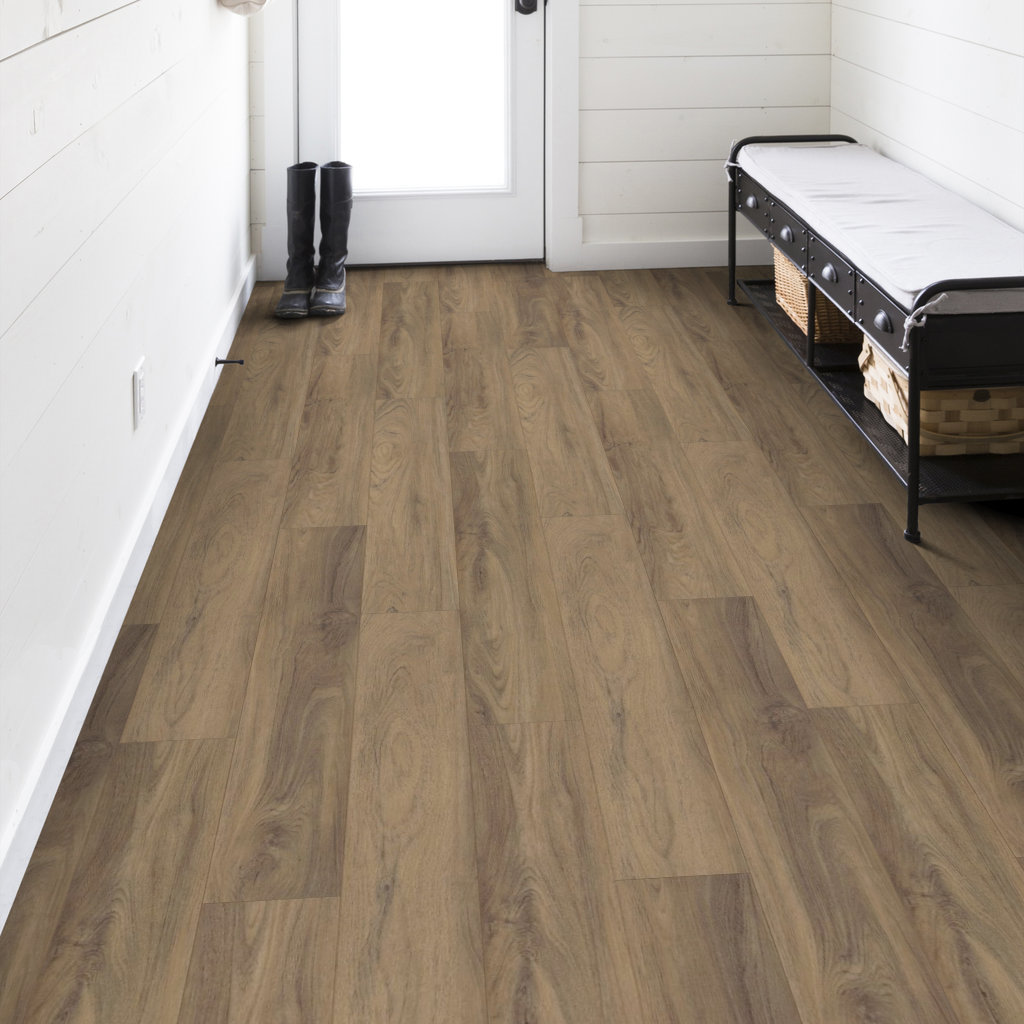
For most busy households, luxury vinyl is the most practical starting point. It gives you the wood-inspired look many homeowners want, but it stands up better to tracked-in water and winter mess than many natural materials. A quality waterproof luxury vinyl floor helps protect one of the most vulnerable areas in the home, especially when snow and rain get carried in day after day.
Construction matters just as much as surface style. In entryways and mudrooms, a rigid-core luxury vinyl plank offers a stable feel underfoot and handles minor subfloor irregularities better than softer constructions. That makes it a smart fit for renovation projects where an older floor may not be perfectly even.
What to look for beyond waterproofing
Not every product that survives spills performs equally well under constant abrasion. These spaces need a wear layer that can handle sand, dirt, and repeated cleaning without showing damage too quickly. Wider planks can also help a compact mudroom feel less busy, especially when you choose a wood-look luxury vinyl style with realistic grain and a low-gloss finish that hides everyday dust.
Color plays a practical role too. Very dark floors tend to show salt residue, while very light ones can reveal muddy footprints faster than expected. Mid-tone visuals usually strike the best balance, giving homeowners in Greenwich a floor that feels refined but still forgives daily traffic.
Where hardwood still fits into the conversation
Hardwood remains a strong choice when the entry opens directly into the main living space and visual continuity matters most. In that case, the goal is usually to choose a species and finish that can better disguise minor wear while preserving the character of the home. Many people gravitate toward engineered hardwood flooring in these transition zones because it handles seasonal humidity swings more predictably than solid planks.
Texture can help as much as color. A lightly wire-brushed hardwood surface tends to soften the appearance of small scratches and dust, which is useful in active households. Even so, wood requires more vigilance near exterior doors, so it often works best when paired with mats, runners, and a thoughtful maintenance routine.
Matching the floor to how the room is actually used
The right answer depends on what happens in that space every day. A family mudroom used by kids, pets, and athletes has different demands than a formal front entry that sees lighter use. Floor Covering Warehouse helps homeowners sort through those real-life details during a shop-at-home flooring appointment, where samples can be viewed in the actual light and alongside existing cabinetry, wall color, and trim.
That process matters because performance and design are tied together. A floor that looks perfect under showroom lighting can read very differently at home, and a product that seems durable in theory may not suit the way your household enters, stores, and cleans up. With over 90 years of flooring experience, Floor Covering Warehouse has seen which materials hold up well in busy homes from Bridgeport to Rye, and which choices create maintenance headaches later.
The best mudroom and entryway floors balance durability, moisture resistance, and style without asking for constant worry. If you want help narrowing the options, schedule a design consultation for your home and see which materials make the most sense for the way you live.


