

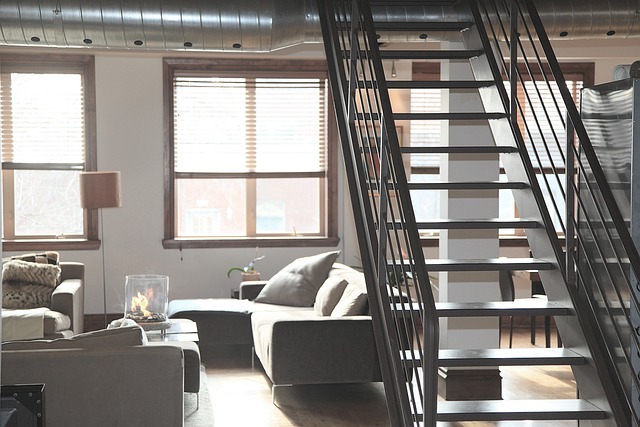
Small condos and apartments ask more from a floor than most people realize. Every room works harder, sound travels faster, and one material choice can make the whole home feel either cramped or calm. For many homeowners in Norwalk, the best option is the one that balances durability, easy care, and a cleaner visual line without making the space feel busy.
That usually points to luxury vinyl first, with hardwood still worth considering in the right setting. The key is knowing where each one performs best and how the layout of a smaller home changes the decision.
Why luxury vinyl works so well in compact spaces
In a smaller footprint, flooring needs to do several jobs at once. It has to handle daily wear, resist spills, and create continuity from room to room so the home feels larger than it is. That is why many buyers start with wood-look luxury vinyl, which gives you the warmth of natural grain without the upkeep concerns that come with a more moisture-sensitive material.
Performance matters just as much as appearance. In condos, kitchens, entry areas, and pet zones often sit only a few steps apart, so a surface that can take splashes and tracked-in weather makes life easier. Waterproof luxury vinyl is especially practical when you want one floor to run through most of the home with fewer transitions and less visual interruption.
The right construction matters more than most people think
Not all luxury vinyl feels the same underfoot or installs the same way. In apartments and condos, subfloor conditions, sound considerations, and minor unevenness can all influence which product makes sense. Rigid-core luxury vinyl is a strong fit when you want added stability and a floor that stands up well to everyday traffic, furniture movement, and the small impacts that happen in tighter living spaces.
Visual proportion also plays a role. A narrow room can feel choppy if the plank size fights the scale of the space, while the right format helps it read as more open. In many cases, wide-plank luxury vinyl creates a calmer look because there are fewer seams breaking up the floor, which helps living rooms and open-plan areas feel more expansive.
When hardwood still makes sense
Luxury vinyl is often the practical winner, but hardwood can still be the right choice if the condo is dry, well-maintained, and you want a more traditional finish. In some Stamford homes, especially upper-level units with stable indoor conditions, engineered wood offers a good middle ground between authenticity and adaptability. Engineered hardwood handles seasonal movement better than solid wood, which matters in the Northeast where humidity shifts from winter heating season to summer moisture.
Species and surface texture shape the final result. In smaller interiors, lighter tones and subtle grain usually keep the room from feeling heavy. Many homeowners gravitate toward white oak hardwood because it reads clean and current while still feeling timeless, especially when paired with simple cabinetry and understated wall colors.
The best flooring choice is the one that fits how you live
A condo floor has to look good on day one, but it also needs to hold up to daily routines. That means thinking beyond color. Chairs slide. Groceries get dropped. Wet shoes land near the door. In nearby Greenwich, buyers often focus on finish first, but long-term satisfaction usually comes from matching the material to the pace of the household rather than the photo on a sample board.
That is where experience matters. Floor Covering Warehouse helps homeowners compare realistic options, not just attractive ones, and the process is built around making decisions easier from product selection through installation. If you want to see how different materials, tones, and plank sizes will work in your own rooms, start with a shop-at-home flooring consultation.


